Treasures & Stones!

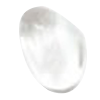
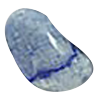
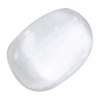
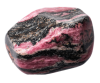
You will find a unique mix of our Treasure Hunters stones & treasures in each item. Some contain exotics like gold or copper nuggets or diamond stones or turquoise or something completely rare and unexpected like arrowheads! These stones are naturally occurring precious stones that hold a unique essence of their own, making them truly valuable. Browse many of the dazzling Gold & Gems stone treasures you can find below, and let the hunting begin!
About Treasure Hunters 

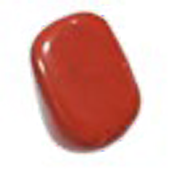
Red Jasper

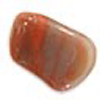
Red jasper is an opaque variety of chalcedony colored by iron oxide inclusions, displaying rich red to brick-red colors that have made it one of the most recognizable and historically significant varieties of jasper. This stone forms when silica-rich solutions deposit in cavities and fractures within rocks, with iron impurities creating the characteristic red coloration that can range from bright red to deep burgundy. Red jasper has been used by humans for thousands of years for tools, weapons, and ornamental objects, and can be found in locations worldwide including India, Brazil, Germany, and the southwestern United States.

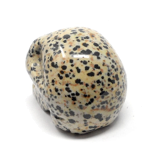
Dalmatian Jasper

Dalmatian jasper is a pale cream to white chalcedony with black spots of tourmaline or other dark minerals, creating an appearance reminiscent of the spotted coat of a Dalmatian dog. This playful-looking stone forms when silica-rich solutions deposit around existing dark mineral inclusions in cavities within volcanic or sedimentary rocks. The stone is primarily found in Mexico and is popular among collectors and jewelry makers for its unique spotted pattern and relatively affordable price point.

Petrified Wood

It literally means wood turned into stone. Petrified wood is fossilized wood where organic materials have been replaced by minerals, typically silica, while preserving the original cellular structure and often the growth rings and bark patterns of the ancient trees. This fossilization process occurs when trees are rapidly buried by sediment, preventing decay while mineral-rich groundwater slowly replaces the organic material molecule by molecule over millions of years. The resulting stone can display a wide range of colors depending on the minerals involved in the replacement process, and famous deposits include the Petrified Forest in Arizona, where trees from the Triassic period have been preserved in stunning detail. You may find polished or natural versions in our toys.

Black Obsidian

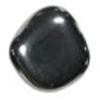
Black and snowflake obsidian are natural volcanic glass that forms when felsic lava cools rapidly, preventing crystal formation and creating a smooth, glassy texture with sharp fracture patterns. This volcanic glass typically appears jet black due to its high content of iron and magnesium, though it can sometimes display subtle banding or inclusions that create variations in appearance. Black obsidian was highly prized by ancient civilizations for making sharp tools, weapons, and mirrors, and major deposits can be found in volcanic regions such as the western United States, Mexico, Iceland, and other areas of recent volcanic activity. You may find polished or natural versions in our toys.

Tiger Eye

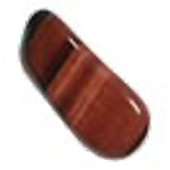
Tiger’s-Eye receives its name from the way that light interacts with the stone. When moved under a bright light such as direct sunlight or a bright lamp in the room, the fibers in the stone reflect a line of light that moves across the surface of the stone when it is moved. The line of light reminds people of the line-shaped pupil in the eye of a tiger – thus the name.  You can uncover either Red or Brown Tiger Eye stones with Treasure Hunters!

Mookaite

Mookaite is a distinctive Australian jasper found only in Western Australia, characterized by its vibrant colors that can include red, yellow, pink, cream, and purple, often all within a single specimen. This radiolarite formed from the microscopic remains of radiolaria (marine microorganisms) that lived in ancient seas approximately 146 million years ago, creating a stone that technically contains fossilized marine life. The name “mookaite” comes from Mooka Creek where it was first discovered, and this unique jasper is prized for its bold color combinations and patterns that often resemble abstract paintings or landscapes.

Pyrite

Pyrite, commonly known as “fool’s gold,” is an iron sulfide mineral that forms distinctive cubic, octahedral, or pyritohedral crystals with a brilliant metallic gold luster. This mineral has been confused with real gold throughout history due to its color and metallic appearance, but it can be distinguished by its lighter weight, brittle nature, and sulfur smell when struck. Pyrite forms in a wide variety of geological environments and is found worldwide, often occurring in sedimentary rocks, coal beds, and hydrothermal veins. You may find polished or natural versions in our toys.

Unakite

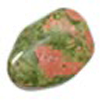
Unakite is a metamorphic rock composed primarily of pink orthoclase feldspar, green epidote, and clear quartz, creating a distinctive mottled appearance of salmon pink and sage green. This unique rock forms when granite is altered by hydrothermal processes, typically in mountainous regions where the right combination of heat, pressure, and mineral-rich fluids occur. Unakite was first discovered in the Unaka Mountains of North Carolina and Tennessee, but similar formations can now be found in Virginia, South Africa, and other locations worldwide.

Septarian

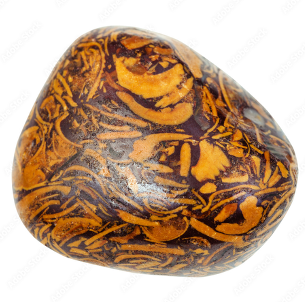
Septarian stones look like they’re made of puzzle pieces with yellow and brown lines creating interesting patterns throughout. These unique rocks formed millions of years ago when mud cracked and dried, then minerals filled in all the cracks. The name “septarian” comes from the word “seven” because the cracks often create seven-sided shapes. Each septarian stone has its own special pattern, like a fingerprint that no other stone has.
Good specimens are rare finds, ours are some of the best you will encounter…Happy Hunting! You may find polished or natural versions in our toys.

Hematite

Hematite is an iron-rich stone that looks shiny and metallic, almost like a silver mirror. When you scratch hematite on rough paper, it leaves a red streak because it’s full of the same iron that makes blood red. This heavy stone was ground up by ancient people to make red paint for cave drawings. Hematite is magnetic and can sometimes stick to magnets, making it fun to experiment with.

Black Onyx

Onyx is a banded variety of chalcedony characterized by its parallel layers of different colors, most commonly black and white, though it can also display combinations of brown, red, and other hues in alternating bands. This stone forms in caves and cavities where silica-rich solutions deposit in rhythmic layers over long periods, creating the distinctive banded appearance that has made onyx valuable for cameos and intaglio carvings. True onyx is relatively rare and primarily comes from locations such as Mexico, Brazil, Argentina, and parts of the United States, though much commercial “onyx” is actually dyed chalcedony or other materials treated to mimic the natural banding patterns.

Lapis Lazuli

Lapis lazuli is a deep blue metamorphic rock prized for its intense azure color, which comes from the mineral lazurite mixed with calcite, pyrite, and other minerals. This semi-precious stone has been treasured since ancient times, famously used in Egyptian jewelry, Mesopotamian seals, and ground into ultramarine pigment for Renaissance paintings. The most valued specimens display a rich, uniform blue with minimal white calcite veining and golden pyrite flecks that create a starry night effect.

Sodalite

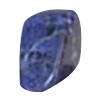
Though it sounds like a name for a reduced-calorie soda, Sodalite is a sodium aluminum silicate mineral known for its rich royal blue color, often with white calcite veining that creates striking patterns throughout the stone. This mineral forms in igneous rocks that are low in silica, particularly in nepheline syenites and related alkaline rocks, and was first discovered in Greenland in 1811. Sodalite can be found in several locations worldwide including Canada, Brazil, Bolivia, and Namibia, and is sometimes confused with lapis lazuli but lacks the golden pyrite inclusions and has a more uniform blue color. You may find polished or natural versions in our toys.

Green Fluorite

Fluorite is a colorful crystal that can glow under special black lights, making it seem magical in the dark. This stone comes in many beautiful colors like purple, green, blue, and clear, and it’s made of the same element that helps keep our teeth strong. Fluorite crystals often grow in perfect cube shapes, like nature’s own building blocks. Scientists use fluorite to help make telescopes and cameras work better.

Turquoise

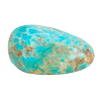
Turquoise is a hydrated copper aluminum phosphate mineral famous for its distinctive blue-green color and has been prized by civilizations for over 6,000 years as a gemstone and ornamental material. This secondary mineral forms in arid regions when copper-rich groundwater reacts with aluminum and phosphorus-bearing rocks, often creating veins and nodules in host rock matrices. The finest turquoise comes from Iran, Tibet, the southwestern United States, and Mexico, with colors ranging from sky blue to green depending on the copper and iron content within the stone. We use stones of the highest quality primarily from the US.

Amethyst

Amethyst is the purple variety of quartz, colored by trace amounts of iron and aluminum within the crystal structure, and ranges from pale lavender to deep violet hues. This gemstone has been prized since ancient times and was once considered as valuable as diamonds before large deposits were discovered in Brazil and Uruguay. Amethyst typically forms in geodes and cavities within volcanic rocks, creating stunning crystal clusters that can range from small specimens to massive cathedral-sized formations. You may find polished or natural versions in our toys.

Banded Amethyst

Amethyst is the world’s most popular purple gemstone and has been used for thousands of years. This amethyst is tumbled from crystals that grew with zones of white quartz alternating with purple amethyst. That is the cause of the banded pattern.  This is truly a  beautiful gemstone!

Citrine Quartz

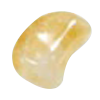
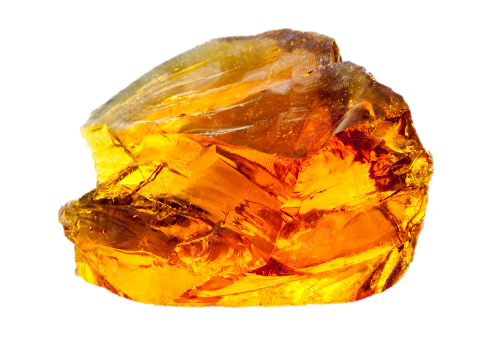
Citrine is the yellow to golden variety of quartz, colored by trace amounts of iron within the crystal structure, and is one of the most popular and affordable yellow gemstones available. Most commercial citrine is actually heat-treated amethyst or smoky quartz, as natural citrine is relatively rare and typically forms in specific geological environments with the right temperature and iron content. This gemstone can be found in Brazil, Bolivia, France, and parts of the United States, with natural citrine typically displaying more subtle, pale yellow colors compared to the bright golden hues of heat-treated varieties.

Chocolate Calcite

Chocolate calcite is a rich brown variety of calcite that gets its warm, earthy color from iron oxide inclusions within the crystal structure. This mineral is known for its grounding energy properties and is often used in meditation practices to promote emotional stability and connection to the earth. It typically forms in sedimentary environments and can be found in locations like Mexico, where some of the finest specimens display beautiful honey to deep chocolate brown hues. This is a rare find so enjoy!

Seafoam Calcite

The mineral calcite is well known for its spectacular and varied crystal formations.  In fact, there are more than 300 different types.  Calcite has more crystal structures than any other mineral.  It’s often massive which means crystals are tightly inter grown and form one large mass. Individual crystals are not visible and have no external shape or structure.  Calcite crystals can vary dramatically in size and shape.  They can be found in almost any color.   In its purest form calcite is either colorless, very pale, or white though shades of gray, red, orange, yellow, green, blue, violet, brown, or even black can occur when the mineral is charged with impurities.  We hope you love our Seafoam Calcite stones as much as we do!

Clear Quartz

Clear quartz, also known as rock crystal, is the pure, colorless variety of quartz that exhibits exceptional clarity and brilliance when well-formed, making it one of the most versatile and widely used minerals in both industrial and metaphysical applications. This silicon dioxide mineral forms in a wide variety of geological environments and can be found on every continent, often occurring in beautiful hexagonal crystals that can range from tiny specimens to massive formations weighing several tons. Clear quartz has been used throughout history for making lenses, windows, and decorative objects, and today finds applications in electronics, timekeeping, and various technological devices due to its piezoelectric properties. You may find polished or natural versions in our toys.

Blue Quartz

Blue quartz is a relatively rare variety of quartz that gets its blue color from microscopic inclusions of other minerals such as dumortierite, tourmaline, or rutile, or from structural defects within the crystal lattice. This stone can range from pale sky blue to deep blue depending on the type and concentration of inclusions, and often displays a somewhat cloudy or translucent appearance rather than the clarity typical of other quartz varieties. Blue quartz can be found in Brazil, Austria, the United States, and other locations, though high-quality specimens with good color saturation are relatively uncommon compared to other quartz varieties.

Rose Quartz

Rose quartz is the pink variety of quartz, colored by trace amounts of titanium, iron, or manganese within the crystal structure, and is known as the stone of unconditional love in crystal healing traditions. This translucent to transparent mineral typically forms in massive formations rather than well-formed crystals, and its color can range from very pale pink to deep rose depending on the concentration of coloring agents. Major deposits of rose quartz can be found in Brazil, Madagascar, India, and South Dakota, with the finest specimens displaying a clear, even pink color without cloudiness or inclusions. You may find polished or natural versions in our toys.

Selenite

Selenite is one of the prettiest and most elegant crystals. The most common Selenite is white and translucent. The name ‘Selenite’ derives from the Greek goddess Selene, the goddess of the moon.  Selenite is usually tubular in shape, with different patterns and striations. Selenite has been found in many locations, including Mexico, Russia, Morocco, Greece, Poland, Germany, France, England, Australia, and the USA.  Selenite is soft and can absorb dyes easily.  BUT they can be cleaned up with the use of household detergents!

Purpurite

Purpurite is a rare manganese phosphate mineral that displays a striking deep purple to reddish-purple color, often with a metallic luster on fresh surfaces. This mineral typically forms as a secondary mineral in granite pegmatites and is prized by collectors for its intense coloration and relative scarcity. Notable deposits have been found in Namibia, Australia, and parts of the United States, where it’s often associated with other phosphate minerals.

Blue Calcite

Blue calcite is a gentle, sky-blue variety of calcite that exhibits a soft, translucent appearance and is prized for its calming visual qualities. This mineral is associated with communication and peaceful energy, making it popular among crystal enthusiasts who use it for stress relief and enhancing clear expression. The blue coloration comes from trace amounts of copper or other mineral inclusions, and notable deposits can be found in Mexico, Madagascar, and the United States.

Salt Crystals

Salt crystals, primarily composed of halite (sodium chloride), form through the evaporation of ancient seas and salt lakes, creating cubic crystal structures. These crystals can be found in massive underground deposits or harvested from salt flats and mines around the world, with colors ranging from pure white to pink, blue, or orange depending on mineral impurities. Beyond their geological significance, salt crystals have been used throughout human history for food preservation, seasoning, and various industrial applications.

Rhodonite

Rhodonite is a manganese silicate mineral known for its distinctive rose-pink to red color, often veined with black manganese oxide dendrites that create striking contrasting patterns. This stone typically forms in metamorphic environments where manganese-rich sediments have been subjected to heat and pressure over geological time. Rhodonite is found in several locations worldwide, with particularly fine specimens coming from Russia, Australia, Brazil, and parts of New England in the United States.

Sunstone

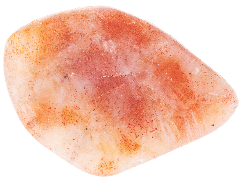
Sunstone is a feldspar mineral known for its brilliant metallic glitter effect called aventurescence, caused by tiny platelets of copper, hematite, or other minerals within the crystal structure. This gemstone typically displays warm colors ranging from golden yellow to orange and red, with some rare varieties showing green or colorless bodies with the characteristic sparkle. Oregon sunstone is particularly prized for its clarity and intense copper aventurescence, while other notable deposits exist in Norway, India, and various locations in Canada. You may find polished or natural versions of this stones.

Moonstone

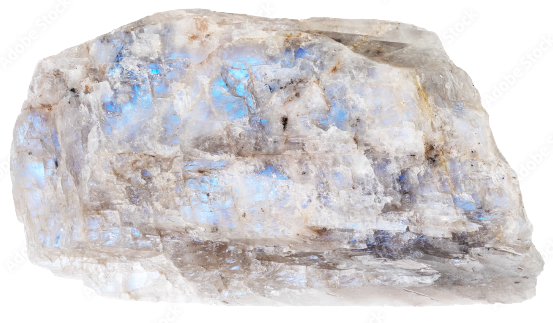
Moonstone is a feldspar mineral that exhibits a magical optical phenomenon called adularescence, creating a billowy, moon-like glow that appears to float just beneath the surface of the stone. This captivating effect is caused by light scattering between microscopic layers of orthoclase and albite feldspar within the crystal structure. Moonstone has been revered throughout history and can be found in Sri Lanka, India, Myanmar, and Madagascar, with rainbow moonstone from India being particularly prized for its blue flash. You may find polished or natural versions of this stones.

Arabic Stone

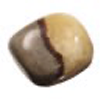
Arabic stone, also known as Mariam jasper or Miriam stone, is a type of jasper found in the deserts of Egypt and other parts of the Middle East, often displaying earthy tones of brown, tan, and red with unique desert-formed patterns. This stone is named after the Virgin Mary (Mariam in Arabic) and is considered sacred in some Middle Eastern cultures, believed to bring protection and blessings to those who carry it. The stone forms in arid desert conditions where silica-rich solutions create jasper deposits with patterns that often resemble landscapes or abstract designs shaped by the harsh desert environment. One of the most unique stones in our collections.

Fuchsite

Fuchsite is a sparkly green stone that shimmers like tiny emerald glitter when light hits it just right. This beautiful mineral gets its green color from chromium, the same element that makes emeralds green. The sparkly effect comes from millions of tiny crystal flakes that reflect light in all directions. Fuchsite is actually a type of mica, which means it can split into very thin, flexible sheets. You may find polished or natural versions of this stones.

Serpentine

Serpentine is actually a group of related magnesium silicate minerals that typically display various shades of green with a waxy to silky luster and often show distinctive veining or mottled patterns. These minerals form when water interacts with ultramafic rocks containing olivine and pyroxene, a process called serpentinization that commonly occurs along mid-ocean ridges and in ophiolite complexes. Serpentine can be found worldwide and has been used historically for carving, construction, and as a source of asbestos (in its fibrous varieties), though many serpentine minerals are safe to handle and work with.

Amber

Amber is like nature’s time capsule made from ancient tree sap that hardened over millions of years. Sometimes tiny insects or plant pieces got trapped inside when the sap was still sticky, and now we can see them perfectly preserved. This golden stone feels warm to touch and is so light it can float in salt water. Scientists love amber because it shows them what life looked like long, long ago.

Copper

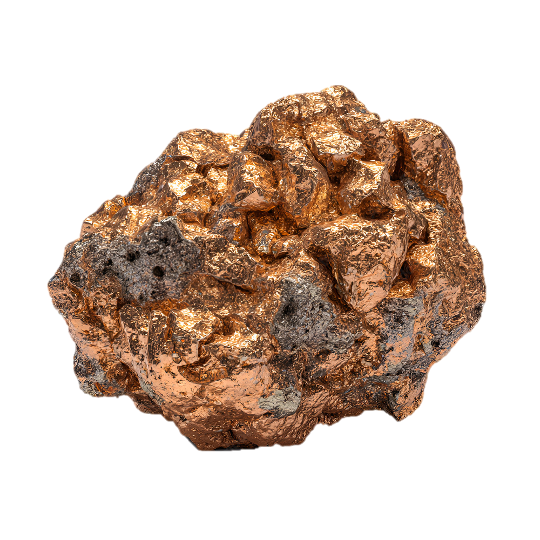
Copper is a reddish-orange metal that can be found in nature as pure, shiny nuggets or green-colored minerals. This useful metal turns green when it’s exposed to air and water over time, just like the Statue of Liberty. Native copper is soft enough that ancient people could hammer it into tools and jewelry without melting it first. Copper is great at conducting electricity, which is why it’s used in many of the wires in our homes.

Apache Tears

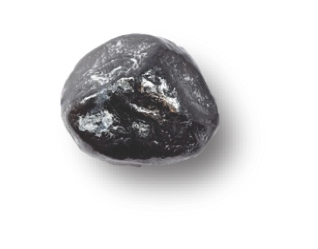
Apache tears are small, round pieces of black volcanic glass called obsidian that formed when lava cooled very quickly. These smooth, dark stones are actually clear when you hold them up to bright light, even though they look completely black. Apache tears got their name from a Native American legend about brave warriors, and they’re found in the southwestern United States. The volcanic glass is so sharp when broken that ancient people used it to make cutting tools and arrowheads.

STONE ARROWHEAD

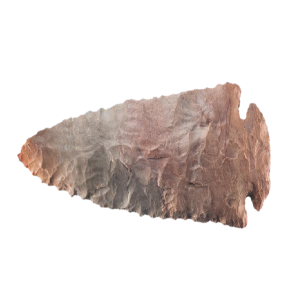
Arrowheads are special stones that were carefully shaped by people thousands of years ago to make tools and weapons. Ancient people would chip away tiny pieces from hard rocks like flint or obsidian to create sharp, pointed edges. Each arrowhead tells a story about the skilled person who made it by hand. Today we find these amazing artifacts buried in the ground, connecting us to people from the past.

Picture Jasper

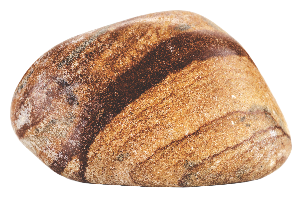
Picture jasper is a form of chalcedony that displays scenic, landscape-like patterns resembling painted pictures of deserts, canyons, or mountain ranges within the stone. These natural “paintings” are created by various mineral inclusions and sedimentary processes that occurred millions of years ago, making each specimen unique. This stone is particularly abundant in the western United States, especially Oregon and Idaho, where it forms in ancient lava flows and sedimentary deposits.

THPD3

MYSTERY STONES

Occasionally you will encounter some unique and surprise stones…do not worry, this is intentional!  These can include varieties of Jasper, Goldstone, Agate, Adventurine, Bloodstone and many others!  We encourage you to hunt for additional information on these amazing treasure stones!  ENJOY!